
I 🩷 Valencia(n)
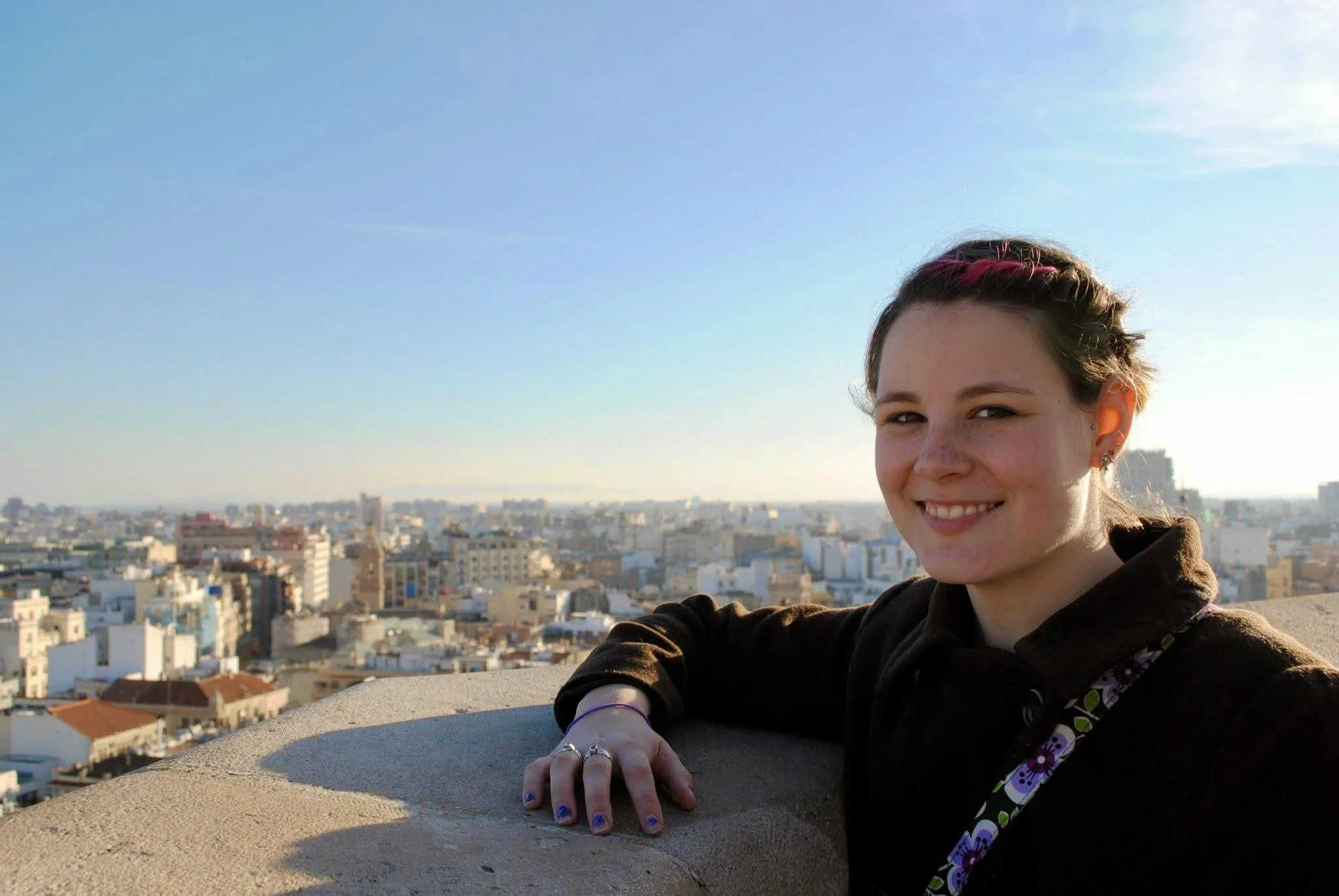
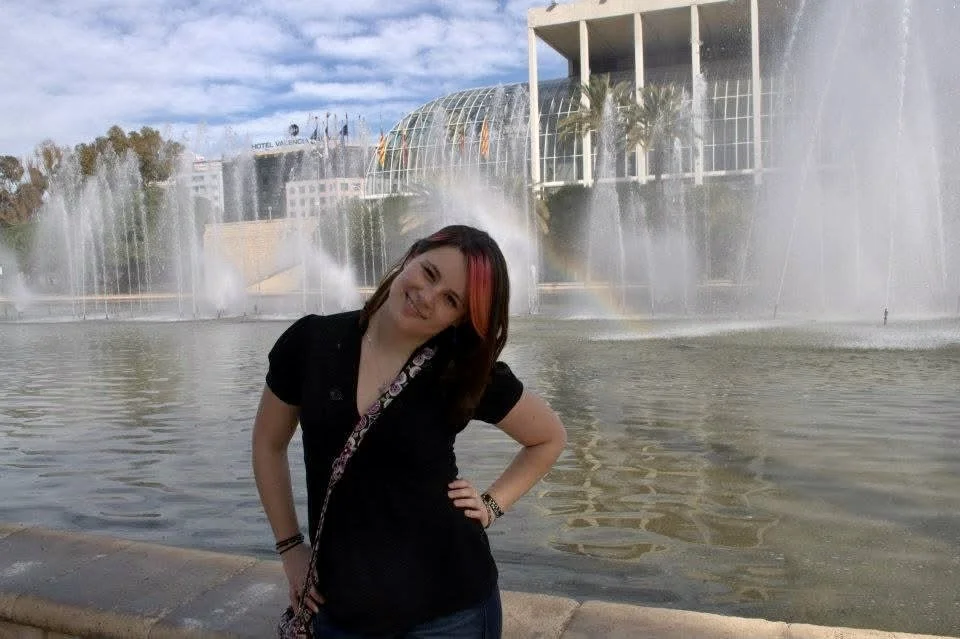
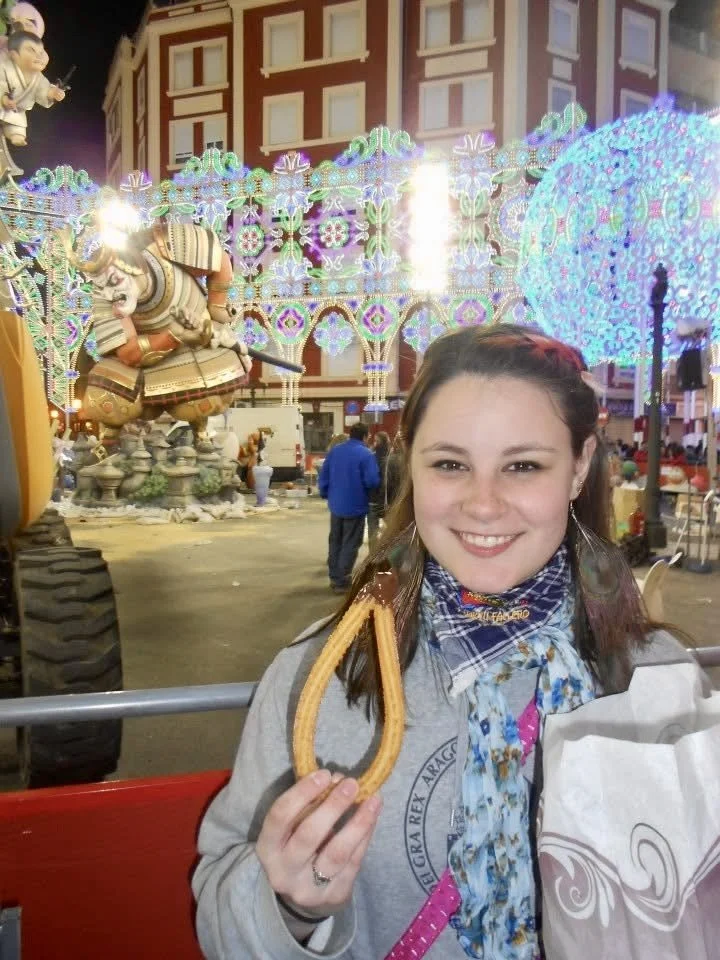
Photos: 19-year-old me exploring Valencia and laying the foundation for a meaningful future.
Something very exciting happened this week at AC Linguist HQ—I received my first translation project in Valencian.
This was a big deal for two reasons:
1) A small language community in a fragile state needed to reach an international audience. That’s always a win. And they chose me to meet that need! What an honor.
2) Valencian is very special to me because I lived in Valencia for 3 years. It was my first time abroad and my first time seeing a multilingual community firsthand.
Now, language politics on the Iberian Peninsula are complex and nuanced. I won’t pretend to be an expert, and I can’t promise I won’t offend anyone (you can’t make everyone on the internet happy!), but I will try to do the subject justice.
Linguistically, Valencian forms part of a dialect group that also includes Catalan, Balearic, and Algherese. That is why I was chosen for this project—I am one of few translators who work from this dialect group into US English. Sociolinguistic politics play a role here and many Valencians don’t believe that they speak the same language, but the evidence is irrefutable from a linguistic standpoint: Valencian, Catalan, Balearic, and Algherese are dialects of the same language. What to call that language is a different matter, which I will keep my nose out of for now.
Valencian is spoken by about 2.5 million people in the beautiful Autonomous Community of Valencia and a tiny bit of Murcia, Spain. It has co-official status in the Valencian Community, which helps to keep the language alive. Signs, government proceedings, and education must be bilingual. However, the dialect has a difficult history of oppression and lack of social prestige, and has suffered as a result. Many Valencian speakers choose to use Spanish in certain social interactions and struggle with literacy, despite a long-standing Valencian literary tradition that is widely studied throughout Valencia, Catalonia, the Balearic Islands, and Andorra. Valencian is not an endangered language yet, but it is certainly threatened by limited use in daily life.
I receive projects in Catalan relatively often, and on a variety of subjects, but not Valencian (or Balearic for that matter). As a fan of Valencia and a champion of small language communities, it warms my heart to see Valencian seeking a place on the world stage. I have such a special bond with Valencian because my first time abroad was when I moved to the capital city of Valencia. I lived there for three years and had some of the best times of my life, meeting new people and learning about the local language and culture. I spent time with Valencian speakers and learned about the true linguistic reality of the region, which they don’t teach you about in Spanish class. Many struggle to preserve their culture and history and to feel represented at the national level.
I was absolutely fascinated by the concept of a multilingual society during my time in Valencia and wanted to learn more. After three years, I moved to the Basque Country and then Catalonia, regions on the Peninsula that are well-known for their multilingualism and complex sociolinguistic politics. People live their daily lives navigating language, culture, and identity in ways that monolingual societies don’t. I’ve lived outside of the US, my home country, for most of my adult life and I’ve forgotten what it’s like to live in a place where language is not a salient social issue. Even now, I live in the UK where they speak English, but not my native dialect; I spend much of my time clinging to my "y'alls" and rebelling against words like "biscuit".
Receiving the Valencian project was truly a full-circle moment. 14 years ago, I left home for the first time and moved to Valencia, which set off a chain of events that led me to this secondhand Ikea desk in Bedford, UK, where my work gives small language communities like Valencian an international voice.
Amazing how the choices you make when you're 19 can affect the course of your life. I suppose the lesson here is, "Stick to your guns." If you think it's important, other people probably do too, and together we can make real change.